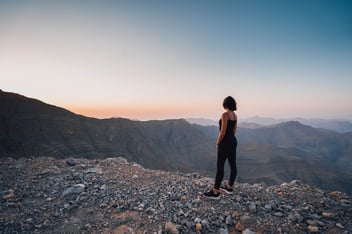
Nature near Dubai takes on very different forms, all within close reach of the city. Inside a relatively small radius, the landscape shifts between mountains, desert, coastline, and wetlands, each housing its own distinct natural ecosystem.
These places are not slight variations of one another, but entirely different parts of the region. Each natural area affects how you get around, how you explore, and what you can expect to see or do while you're there.
Understanding the Natural Landscapes in the UAE
The natural landscapes in the UAE can be grouped into four primary zones: the Hajar Mountains in the northeast, desert interiors across most of the country, coastal systems along both the Arabian Gulf and the Gulf of Oman, and mangrove wetlands in protected areas.
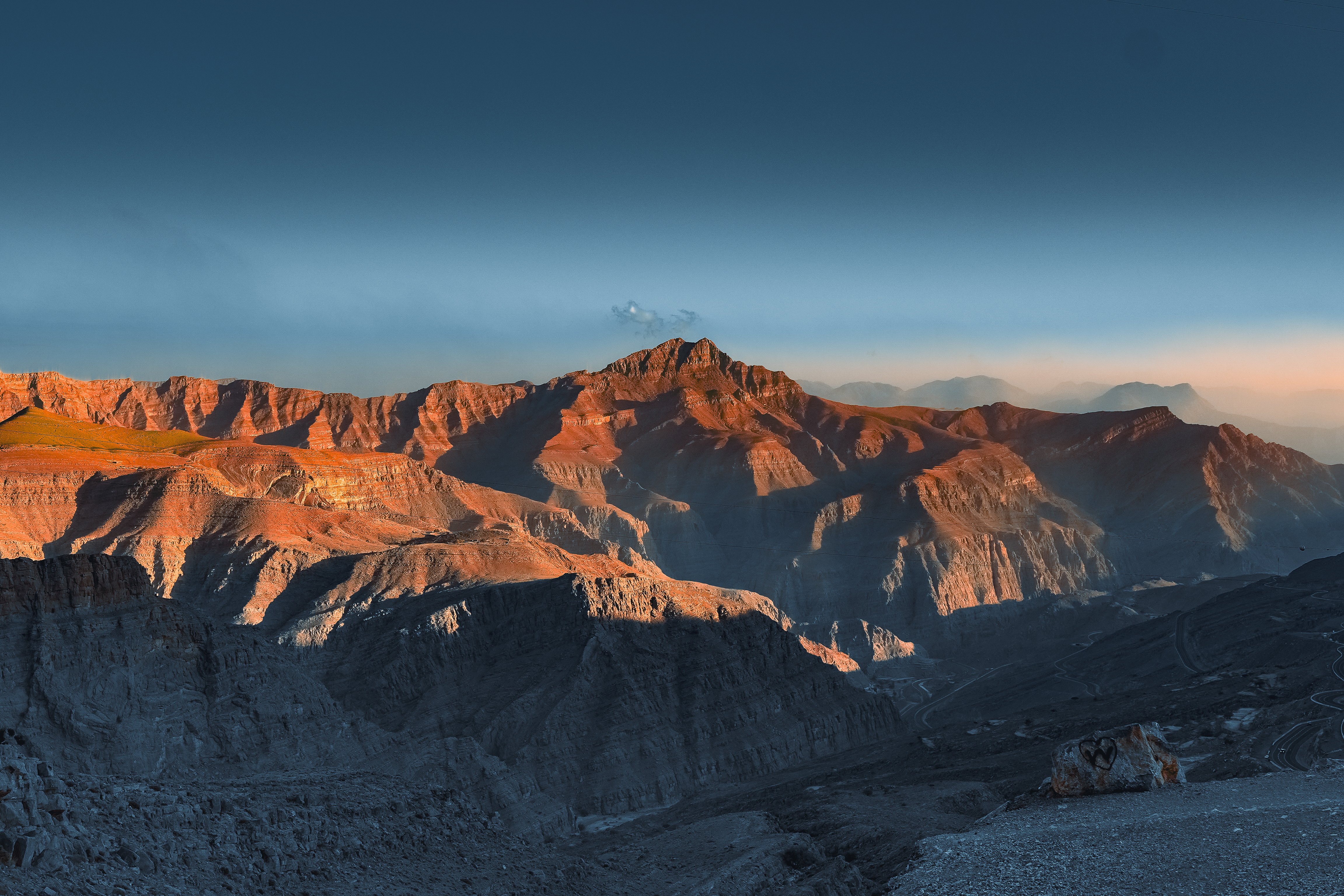
Together, these environments define the range of the United Arab Emirates' natural attractions, each offering a different type of terrain and ecological system.
From Dubai, each zone can be reached within a few hours. This proximity makes nature near Dubai accessible without requiring much effort, but your experience can vary significantly depending on which direction you take.
Mountain Landscapes: Jebel Jais and the Hajar Range
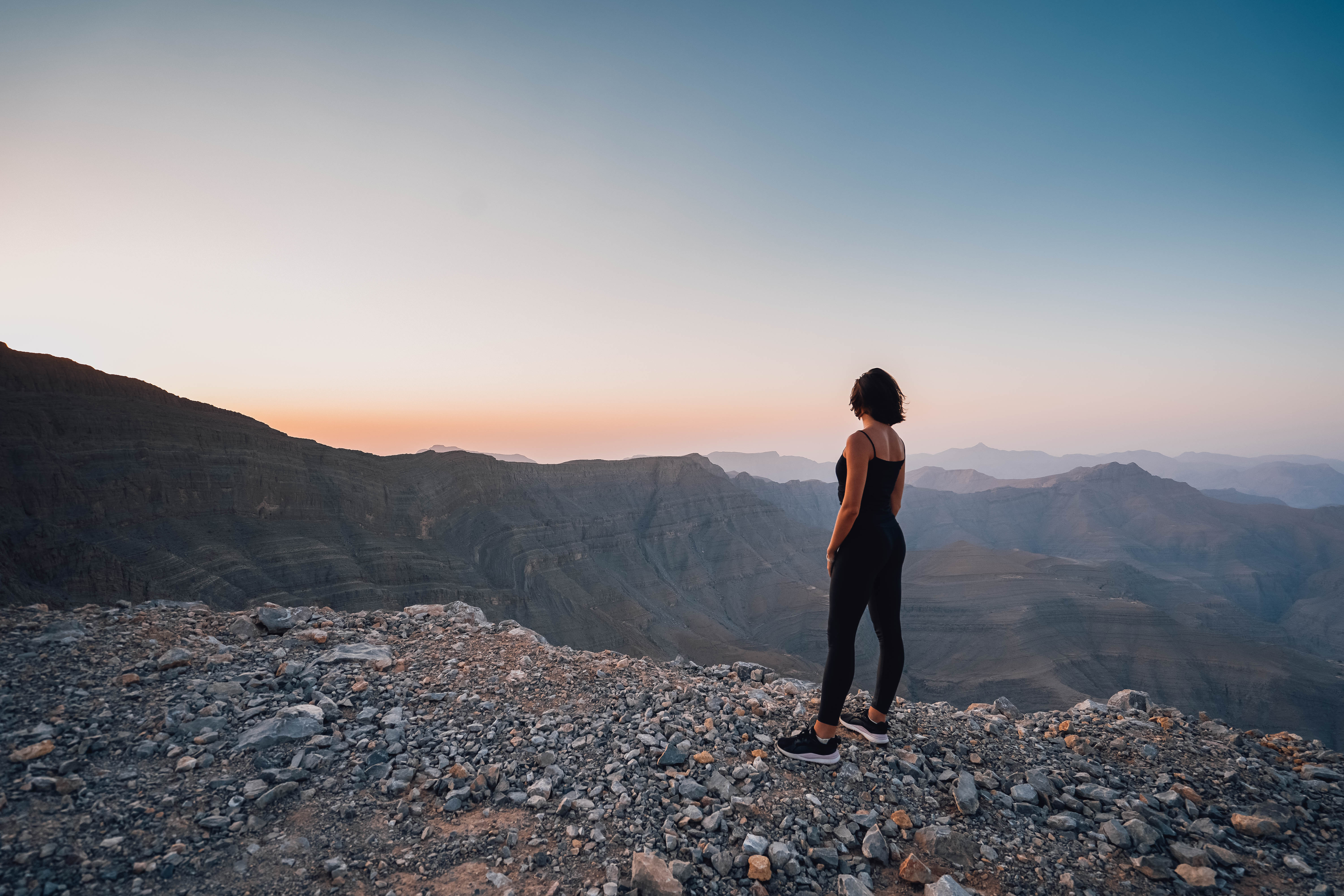
The Hajar Mountains rise to over 3,000 meters, stretching across the northern emirates and into Oman. Jebel Jais, located in Ras Al Khaimah, is the highest point you can access within this range. It is one of the best examples of nature near Dubai, extending beyond the city into more rugged terrain.
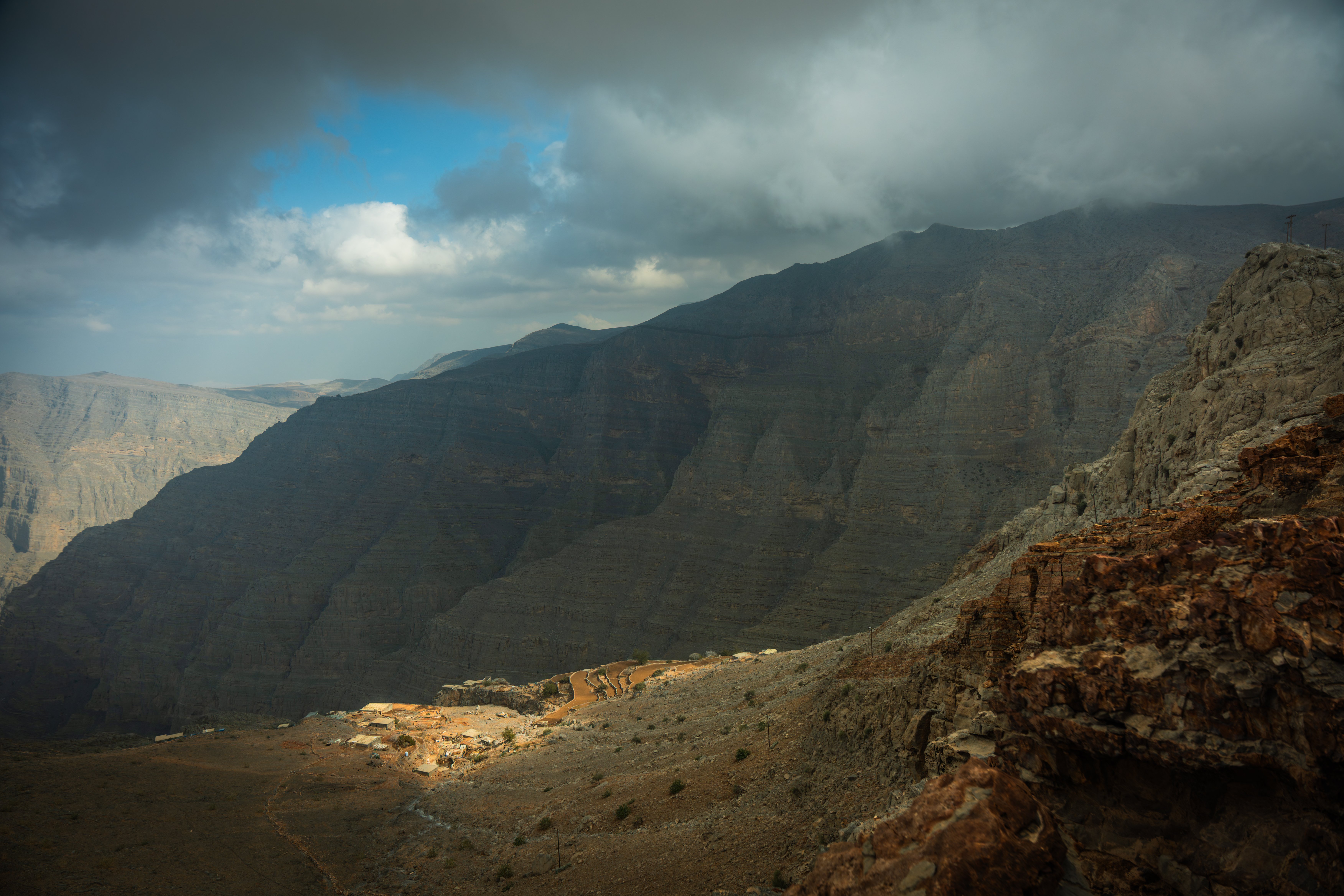
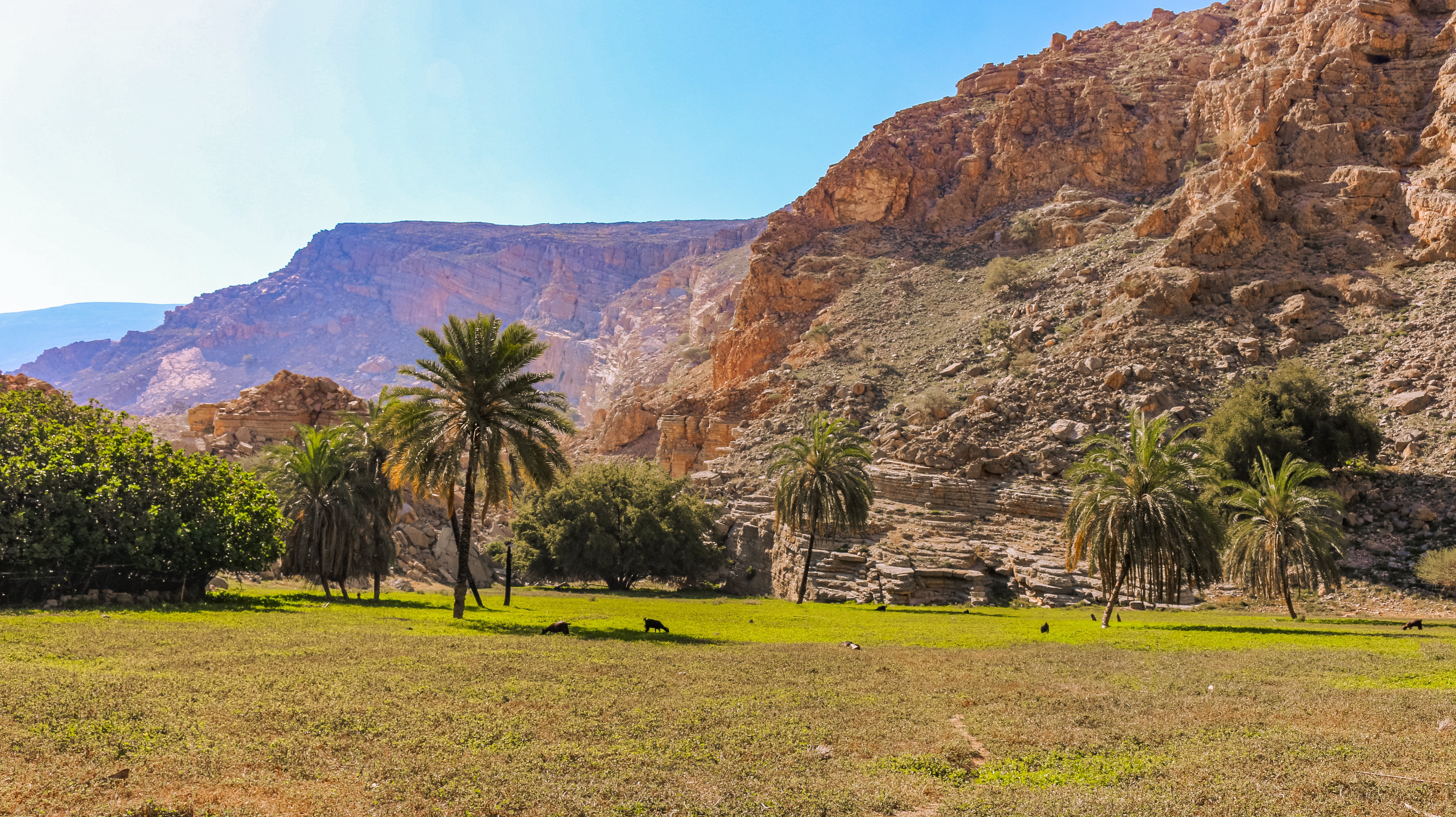
Unlike the surrounding desert, the mountains provide vertical variation, exposed rock formations, and a network of wadis that carry water after seasonal rainfall.
The wadis channel water through the mountains, which shapes vegetation patterns, some of the most striking scenes of the UAE's natural beauty. These areas can appear dry for much of the year but play a critical role during the wet season.
Geologically, the Hajar range is primarily made of ophiolite rock formations, formed when sections of the earth's crust were pushed upwards over time, lifting what was once part of the ocean floor into the mountains you see today. This has created a landscape of limestone peaks, sharp ridges, broken rock, and steep slopes.
Human Activity Within a Natural System
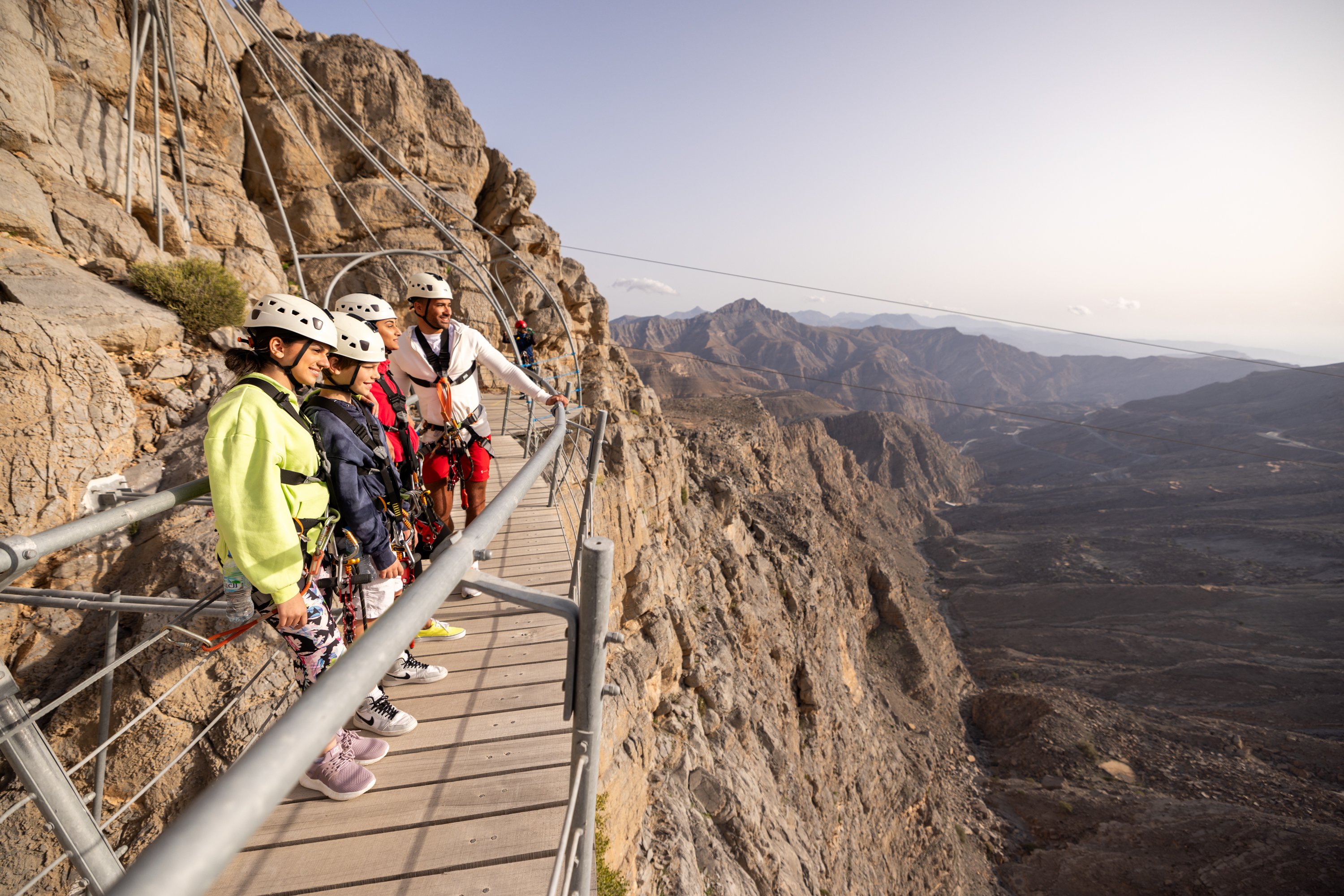
Experiences on Jebel Jais are integrated, existing within the environment, rather than replacing it. The Jais Flight zipline traverses natural valleys, while viewing platforms take advantage of the expansive open terrain.
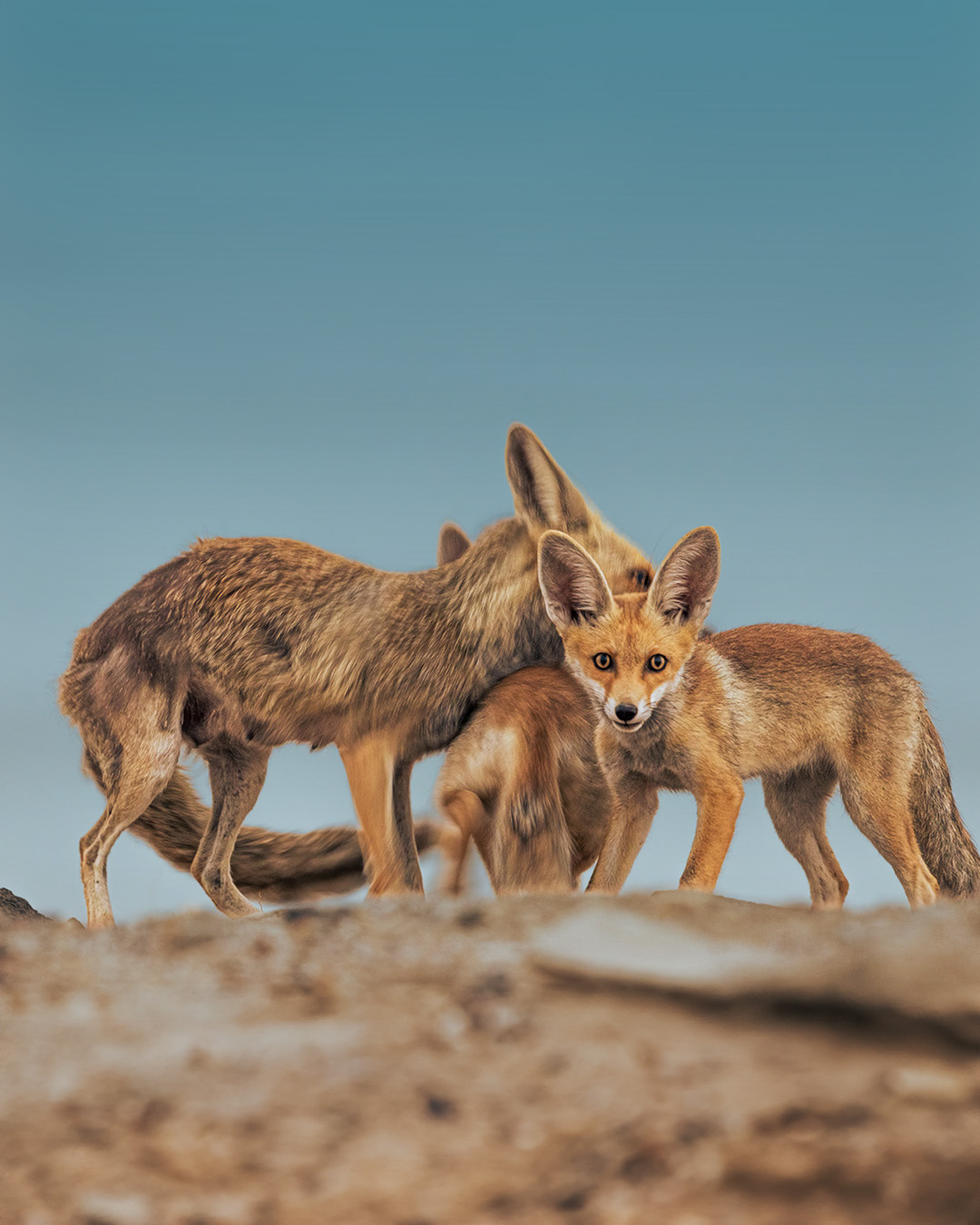
What is surprising is how these areas still function as a wildlife habitat. Species such as the Arabian Red Fox and the Afro-Asiatic Wildcat move across these slopes, largely unseen, using wadis and rocky outcrops as natural pathways.
Birdlife is easier to spot but still tends to remain cautious. Hume's Wheatear is often found perched on exposed rock, while the Desert Lark prefers open, gravelly ground. Both species are adapted to conditions of the highland desert environment, where vegetation is sparse, and temperatures fluctuate.
Even in areas with occasional human presence, these animals are more inclined to adjust their activity patterns, rather than abandon the environment entirely. This balance is part of what defines the more remote nature in the UAE, where human activity and wildlife overlap.
How to Experience the Jebel Jais Nature
Access to Jebel Jais is via a paved road that follows the natural twists and turns of the mountain. Rather than slicing through the terrain, it curves along ridgelines and valleys, maintaining the natural structure of the landscape.
Stopping points along the route give a clearer sense of scale, where the shift from desert floor to exposed rock becomes more defined with height.
Hiking routes branch away from the road into quieter sections of the mountain, with options suited to different experience levels. Shorter, marked trails near viewing areas are generally suitable for beginners, with more stable ground and gradual elevation. Further into the range, routes become steeper and more uneven, with loose rock underfoot and less defined paths, requiring better fitness and confidence on technical terrain.
For larger groups, guided hikes can be arranged through Bear Grylls Explorers Camp, where certified instructors manage route selection and pacing, particularly on more demanding sections. This also allows you to focus solely on the flora and fauna of the Jebel Jais, without worrying about maps or direction.
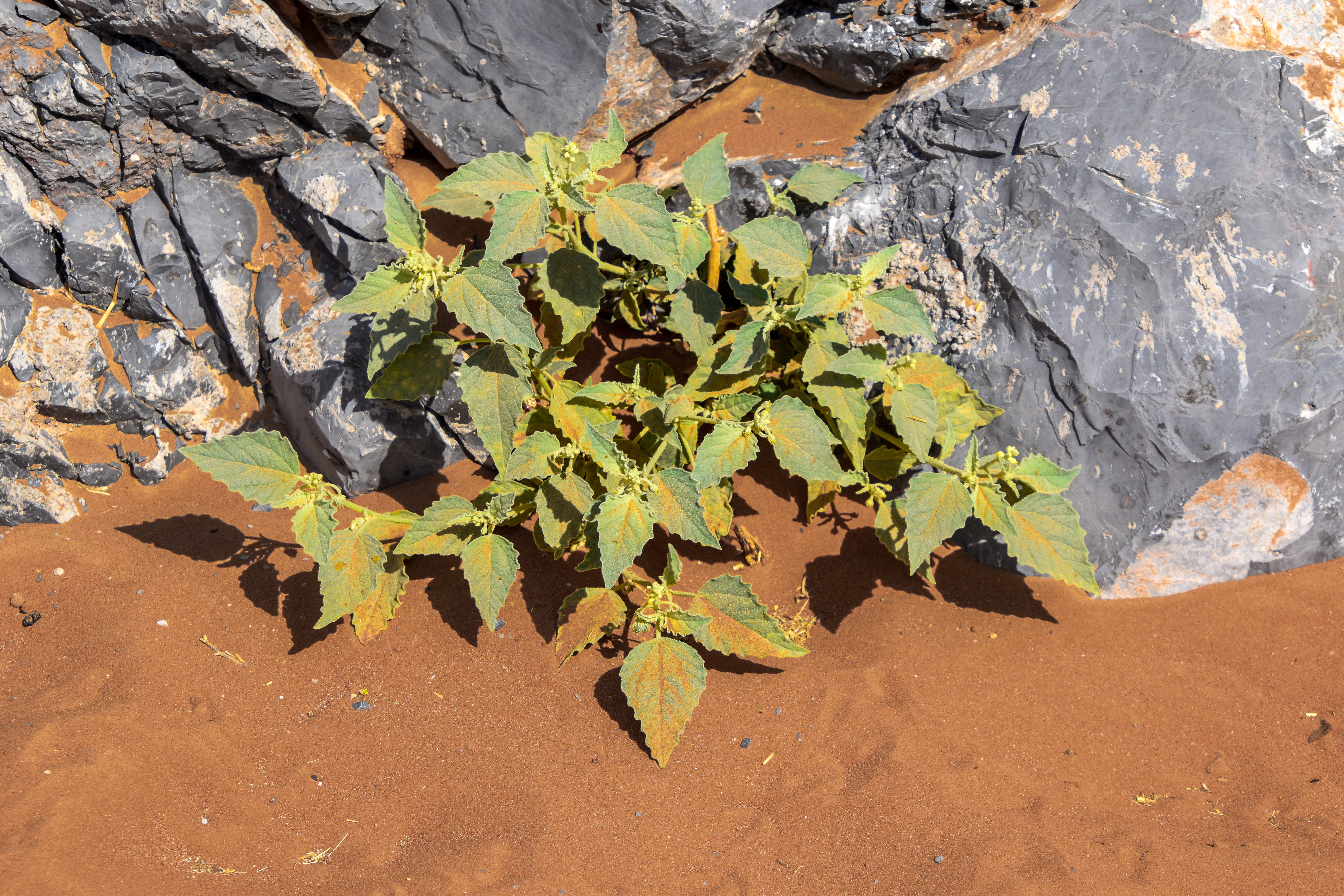
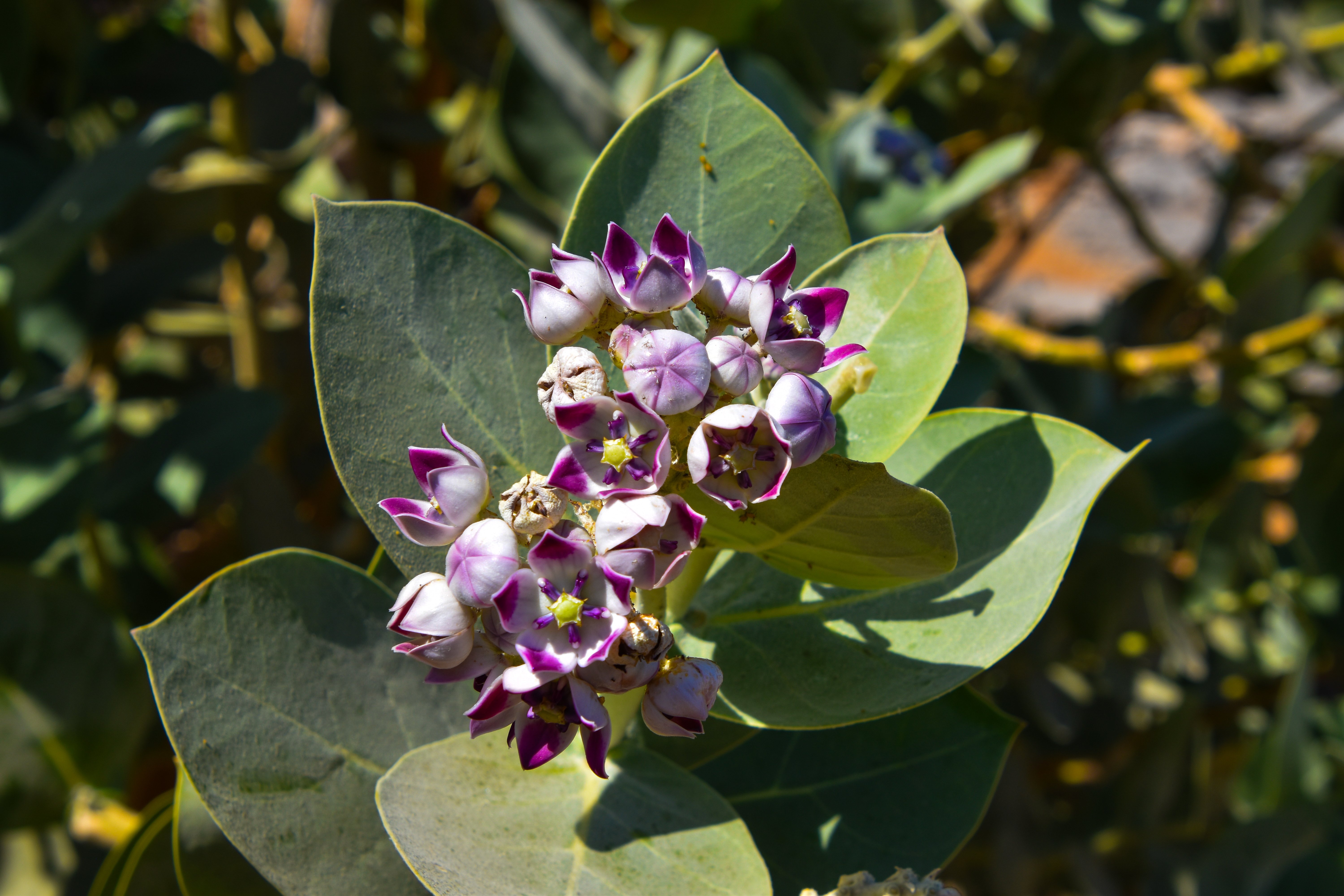
Plant life is sparse but well-adapted. The wild caper bush grows from rock crevices with minimal soil, while sidr trees establish themselves in slightly deeper ground, drawing moisture from below the surface. These patches of green become more numerous the further you move away from the main road.
Reptile life is present, but don’t blink, you might miss it. The Arabian horned viper blends into gravel and loose rock, while smaller lizards move quickly between shaded areas during cooler parts of the day.
Jebel Jais is one of the more dynamic scenic places near Dubai for those looking to experience the altitude and open views.
Ecological Systems Within the Mountains
The Hajar Mountains support a layered ecosystem governed by elevation, rock structure, and limited water availability. Each species residing here plays an important role.
Mammals such as the Arabian Red Fox help regulate smaller animal populations, maintaining balance within the food chain. The Afro-Asiatic Wildcat, more rarely encountered, occupies similar environments but is more elusive and primarily nocturnal.
Bird species such as the Chukar are closely associated with rocky slopes and escarpments, which are natural landscapes in UAE. Moving across steep ground that would be difficult for larger animals, its presence often indicates areas of the mountains less disturbed by humans.
Reptiles such as the Ruus Al Jibal Fan-footed Gecko are endemic to the Northern Hajar range, and use adapted toe pads to move across vertical rock surfaces. This shows how isolated mountain environments can support highly specific species.
Plant life follows a similar pattern of adaptation, including Euphorbia larica, which grows in rocky conditions, storing water and is essential for stabilising loose ground. This hardy plant produces a milky white sap that, despite its toxicity, has traditionally been used medicinally; both as an anti-parasitic for camels and by herbalists to treat boils, bites, and wounds.
These subtle ecosystems play a central role in defining much of the UAE's natural beauty, even when not immediately visible.
Desert Environments Near Dubai
Nature in Dubai is often most strongly associated with the desert. This UAE natural attraction is defined by shifting dunes, shaped by the wind and with seemingly endless horizons.
Red Dune Systems (Lahbab)
The Lahbab region is known for its red dunes, formed by higher concentrations of iron oxide within the sand. These dunes are typically steeper and more defined than in other parts of the UAE, among the most recognisable scenic places in Dubai.

The appearance of the desert changes throughout the day, with shadow patterns altering your perception of depth and scale. This constant shifting is a defining feature of the natural beauty within desert environments.
Wildlife is harder to find during the day as many species remain hidden to avoid the heat, becoming more active at night.
Conservation Areas
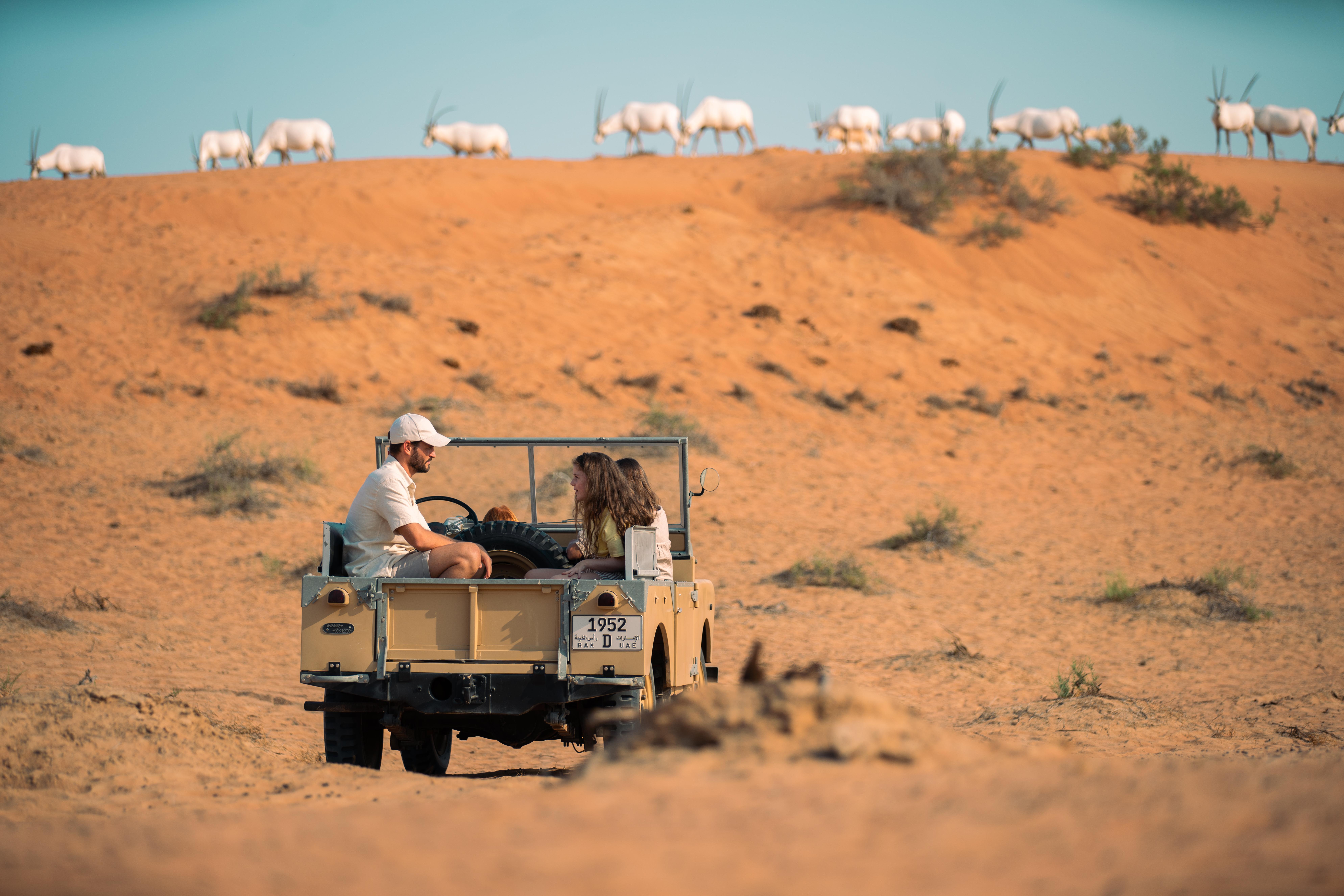
Protected zones such as the Dubai Desert Conservation Reserve introduce a managed approach to desert ecosystems. Wildlife within these areas is monitored, and access is controlled to reduce disturbing them.
Species here are adapted to extreme heat and limited water availability, relying on behavioural adaptation such as nocturnal activity and burrowing.
Encounters here are possible, but not guaranteed, as many animals depend on remaining undetected.
Coastal and Marine Nature
The coastline introduces a different set of conditions, shaped by water rather than land, expanding the diversity of UAE natural attractions.
East Coast Geography
Along the Gulf of Oman, the coastline in Fujairah is narrower, with mountains extending close to the sea. This creates a more varied environment where rocky outcrops and sandy beaches co-exist. It’s certainly one of the more diverse natural landscapes in the UAE.
Coral and Marine Life
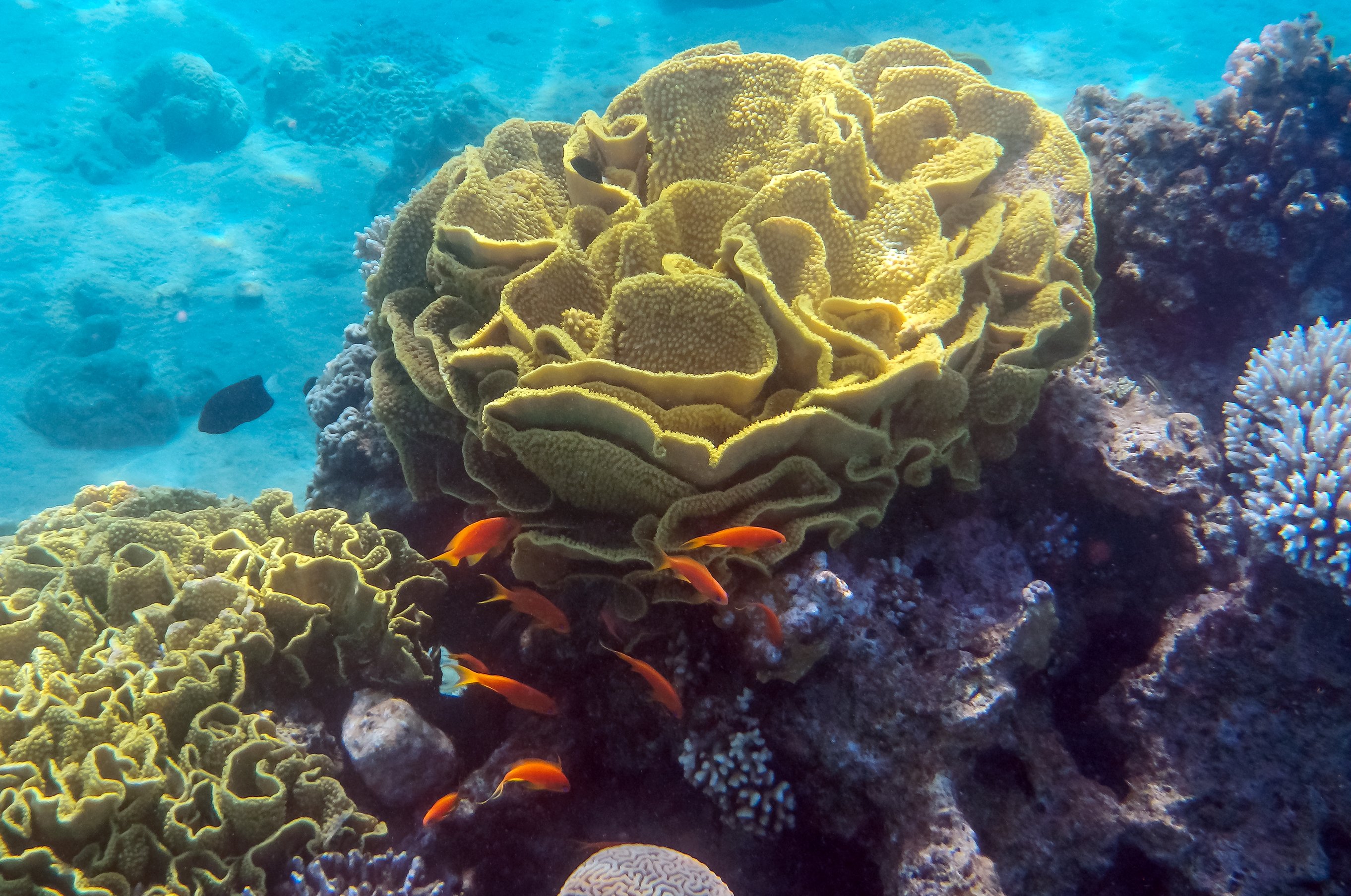
Marine ecosystems in this region support coral formations and a range of fish species. Water clarity is generally higher than along the Arabian Gulf, especially outside peak summer.
Diving and snorkelling are incredible ways to explore the Dubai nature hot spots, with activities concentrated in specific areas where the reef structures are more established. A refreshing alternative to the scorching temperatures inland.
Wetlands and Mangroves
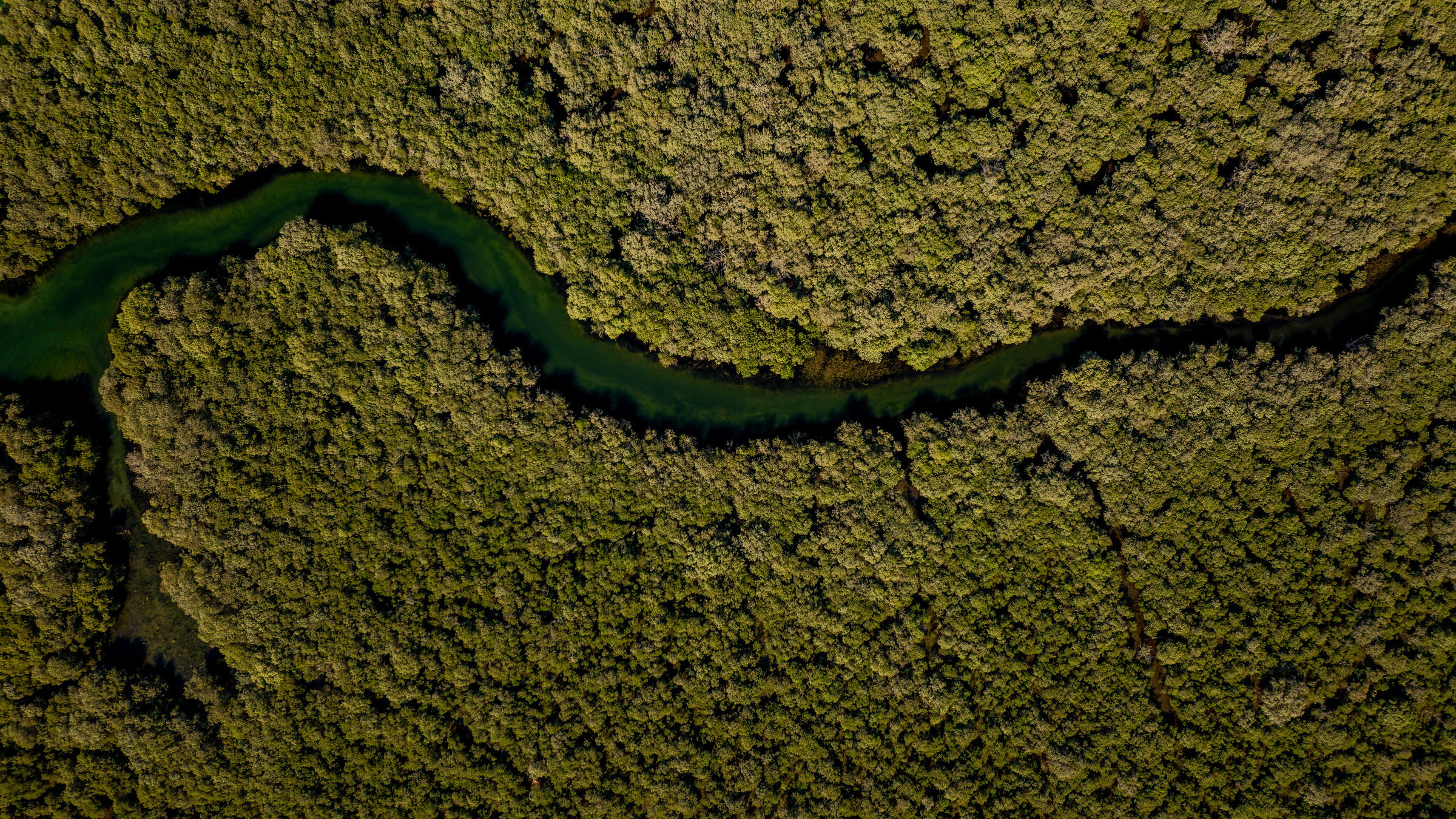
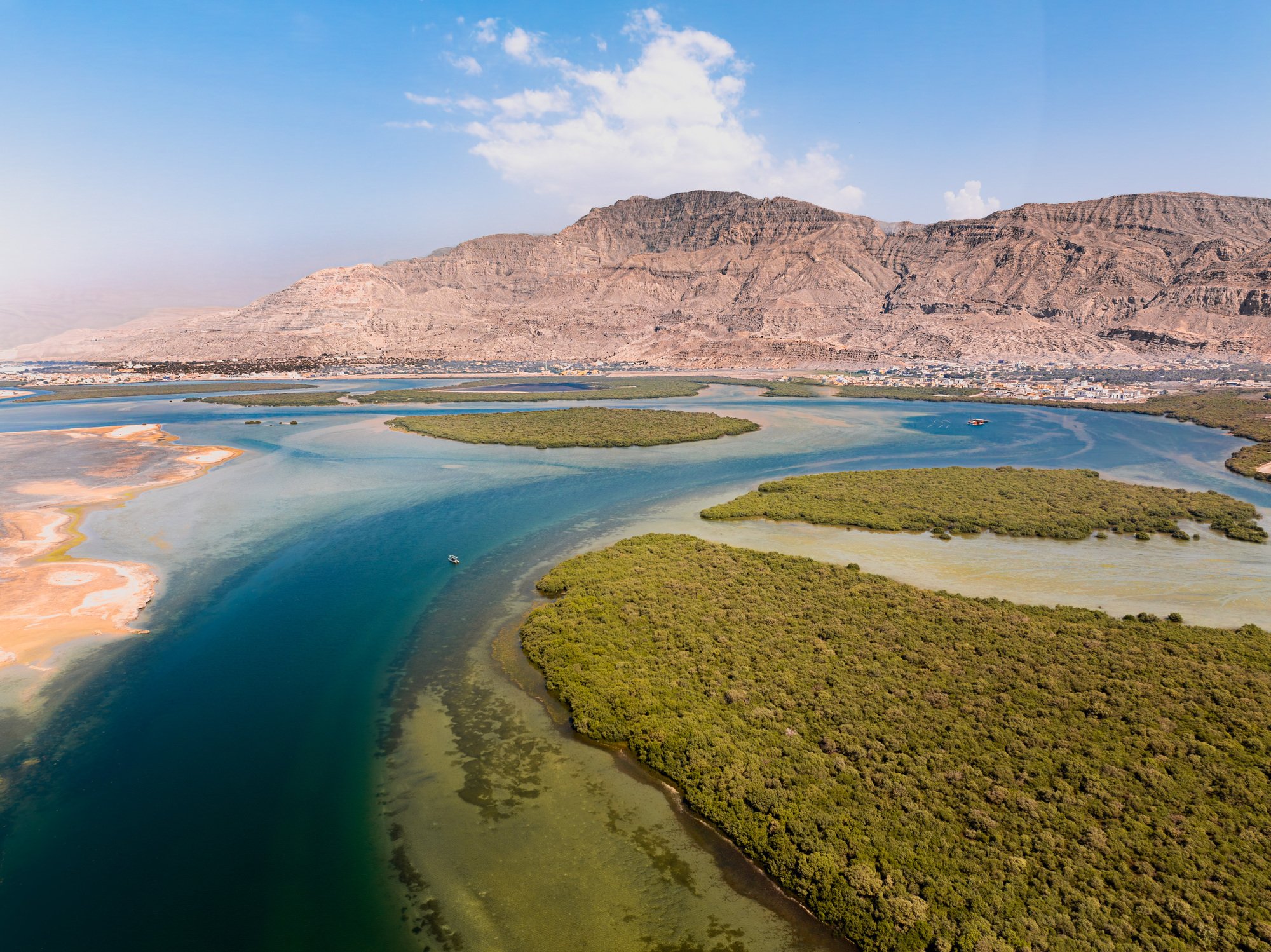
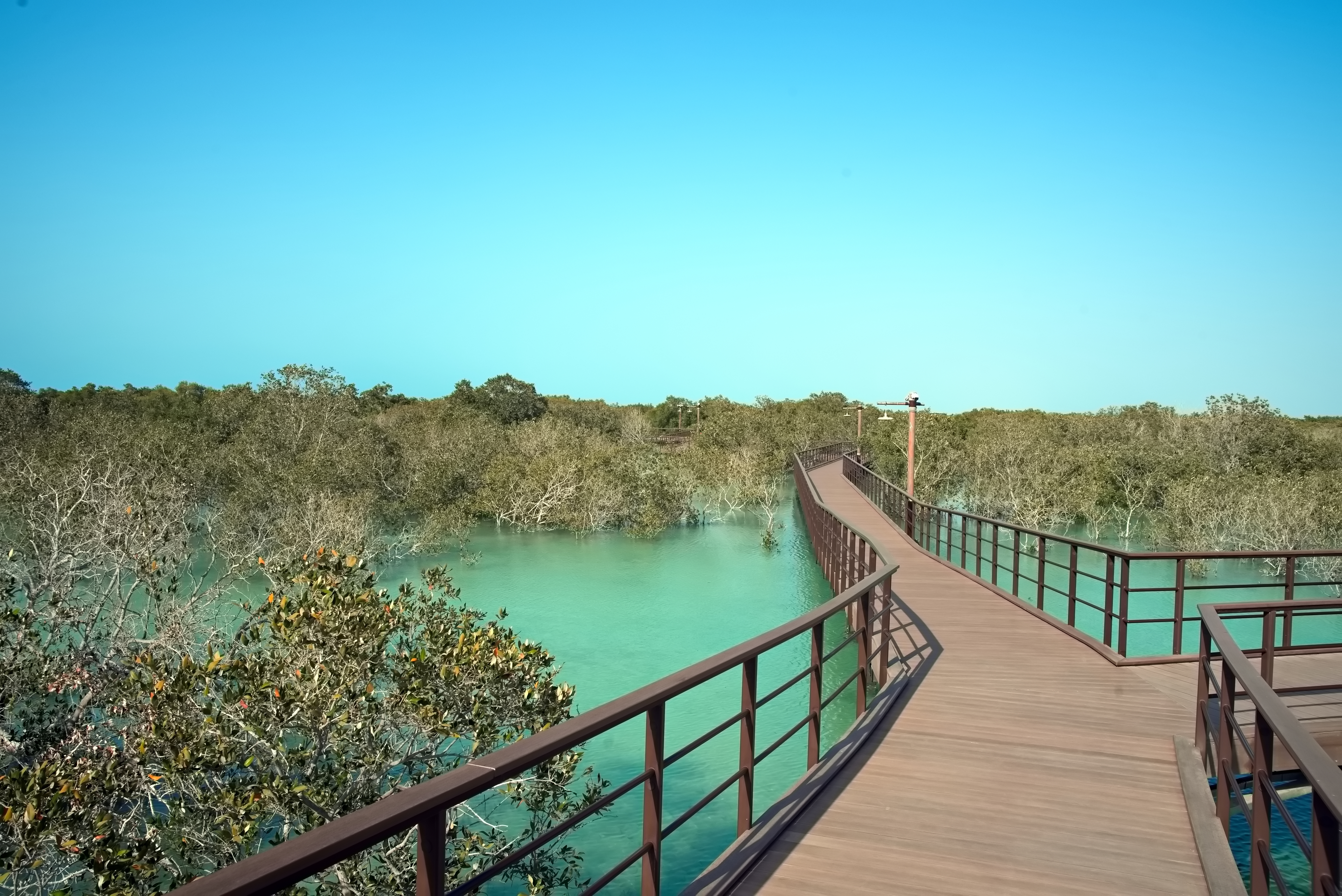
Mangroves are among the most ecologically important natural places in the UAE, despite covering smaller areas, and are an unexpected natural escape near Dubai. They are quieter but essential, often overlooked compared to more visually dramatic landscapes.
Ras Al Khaimah Mangroves
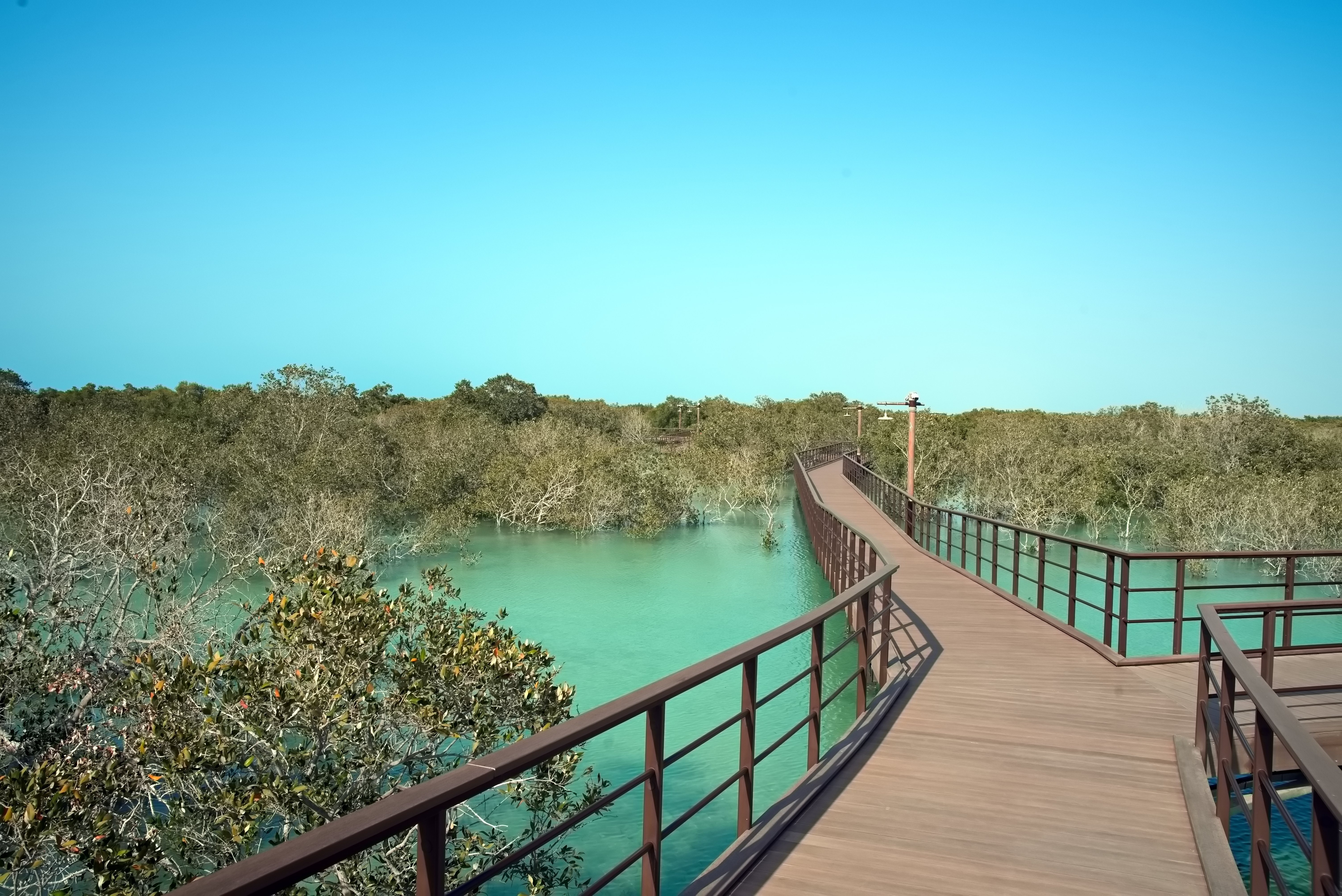
These wetlands function as transitional zones between land and sea. Tidal movement changes water levels and salinity, influencing how the ecosystem functions. Access to the mangroves is typically via small channels that open into wider lagoons.
Abu Dhabi Mangrove National Park
Like the Dubai Desert Conservation Reserve, Abu Dhabi Mangrove National Park is a protected area and supports wetland conservation through controlled access and monitoring. Mangroves provide sheltered breeding areas for marine life, acting as nurseries for fish and turtles.
As well as helping to stabilize coastal sediment, they also play host to a myriad of bird life, including flamingos and herons.
Planning a Nature Escape Near Dubai
Seasonal changes are an essential consideration when planning to visit nature near Dubai.
Higher elevations in the Hajar Mountains remain cooler, particularly in the evenings and winter months, while the desert shifts more sharply between the heat of the day and cooler nights. Along the coast, humidity stays relatively constant.
Changes in the weather also influence wildlife activity, with many animals adjusting their routines when temperature and light drop, often becoming more active at dawn and dusk.
Preparation varies depending on where you're heading. In the mountains, uneven ground and exposure mean sturdy footwear and sufficient water are non-negotiables. Desert conditions call for sun protection and being mindful of the peak midday heat. Coastal and mangrove areas are best explored with lightweight clothing and by pre-checking the tides.
Early morning and late afternoon tend to offer calmer conditions, and you’ll have a better chance of seeing wildlife.
From Dubai, travel distances remain manageable. Jebel Jais is approximately 1.5 to 2 hours away, while Lahbab is significantly closer. Getting to Fujairah’s coastline takes around 90 minutes of travel. This accessibility makes it easy to plan a nature escape near Dubai, whether focusing on mountains, desert, or coastal areas.
Across each setting, what stands out is not just the landscape itself, but how life exists within it. There is an abundance of wildlife and nature near Dubai; you just have to know where to look

.jpg?width=352&name=National%20museum%20of%20ras%20al%20khaimah%20(2).jpg)