Ramadan in Ras Al Khaimah offers visitors a chance to experience the UAE at a different pace, one that balances spiritual tradition with everyday life. The holy month brings visible changes, but it does not pause the emirate.
Beaches remain open, hotels operate as usual, cafés and restaurants welcome guests after sunset, and attractions continue to run. What changes is the rhythm.
Days become quieter, while evenings take on new importance. Families gather, neighborhoods become active, and the emirate feels both reflective and welcoming in ways that are easy to observe.
For travellers, this creates a version of Ras Al Khaimah that offers insight into how the month is lived.
This is Ramadan Ras Al Khaimah: culturally grounded, open to visitors, and showcasing the traditions of Ramadan without spectacle.
Iftar and Suhoor in Ras Al Khaimah
Iftar in Ras Al Khaimah is one of the most welcoming parts of the month. Across the emirate, hotels, resorts, and rescanrants prepare evening meals that bring people together at sunset. These are not only dining experiences; they also offer visitors an easy, authentic way to experience how Ramadan is lived rather than presented.
Suhoor, the pre-dawn meal, is also widely available in hotels and select venues. It is quieter in tone and designed for those observing the tradition of fasting within the sun-lit hours.
.jpg?width=777&height=584&name=Ramadan-in-Ras-Al-Khaimah%20(1).jpg)
What distinguishes these meals in Ras Al Khaimah is their setting. Along the coast, iftar unfolds beside the sea. In desert resorts, meals take place under open skies. In the mountains, evenings arrive earlier and the surrounding terrain limits noise and movement.
These experiences allow visitors to participate in Ramadan without formality. The structure is clear; a peaceful pace and a focus on gathering rather than display.
A Destination That Remains Open
One of the most important things for visitors to know is that Ras Al Khaimah remains fully operational during Ramadan.
- Hotels, resorts, and beaches operate as normal
- Public cafés and restaurants open in the evening
- Attractions remain open
- Adventure experiences continue
You can still enjoy beach days, spa treatments, cultural sites, and outdoor activities. The difference is timing: mornings suit exploration, while evenings naturally take over as the time for dining and social life.
Ras Al Khaimah maintains a flexible approach for visitors. Dress codes are relaxed in resort areas, beaches, and pools, allowing guests to wear standard holiday attire, including swimwear, while remaining respectful in public spaces and near mosques.
This balance allows you to enjoy your holiday while observing local customs.
Adventures During Ramadan
Ramadan in Ras Al Khaimah keeps the emirate fully active for adventure, with the added benefit of fewer crowds across many experiences.
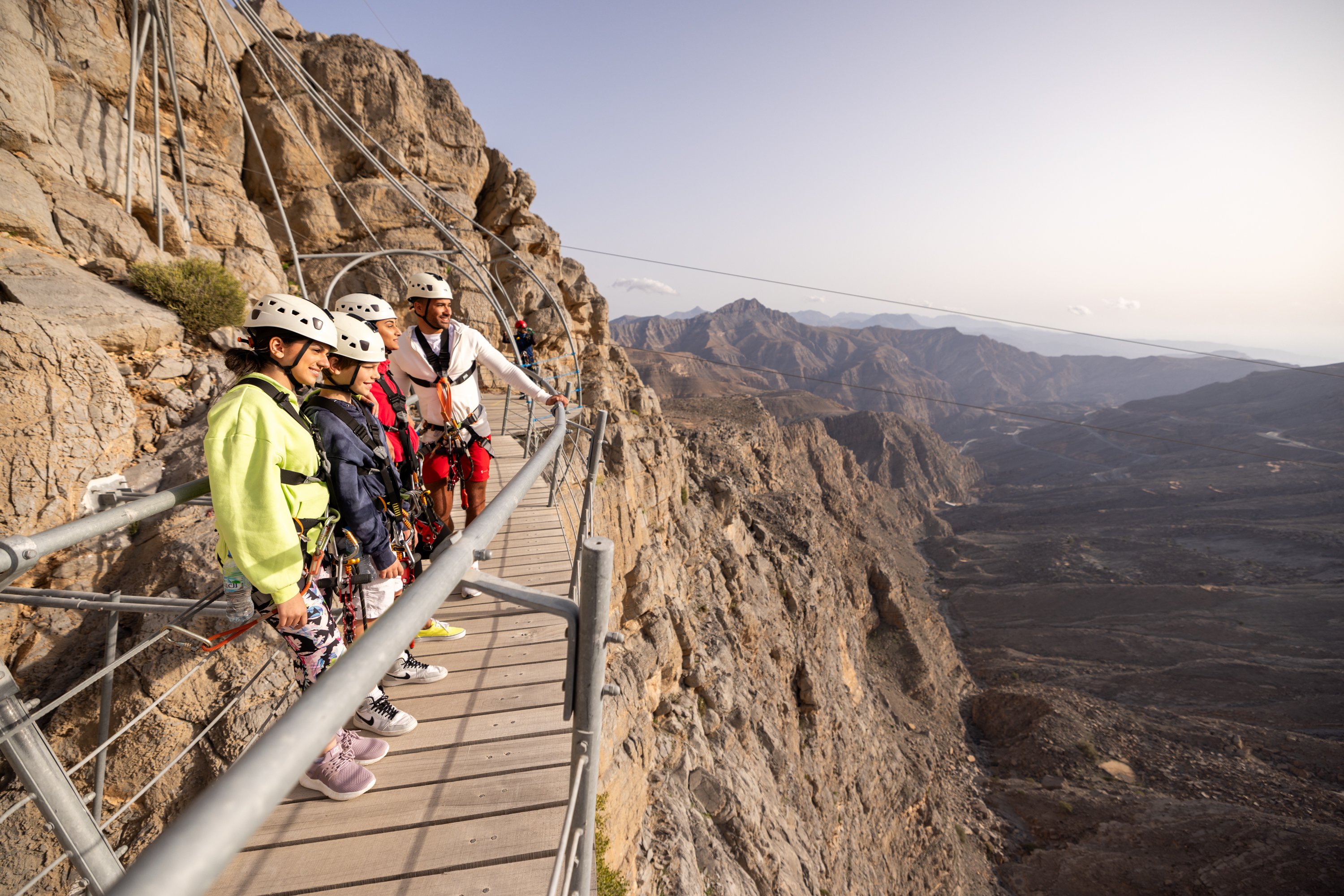
Jebel Jais remains the heart of outdoor experiences. The mountain road is open, hiking routes remain accessible, and the world's longest zipline, Jais Flight, continues to operate.
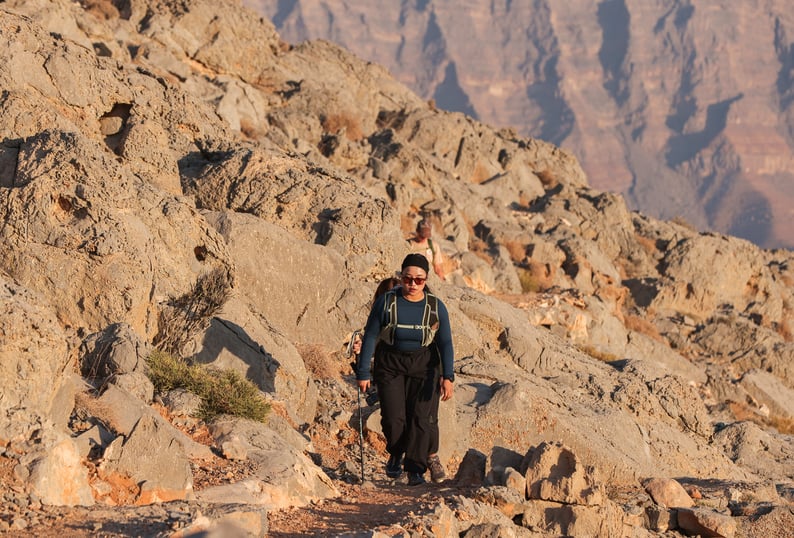
Cultural attractions, including heritage sites and experiences such as Suwaidi Pearls, also remain available.
The Iftar Cannon
One of the most iconic Ramadan traditions in Ras Al Khaimah is the firing of the Iftar cannon.
Fired at sunset, the cannon signals the breaking of the fast. Fired once more during the early hours of the morning, it marks the beginning of the next day's fast. It is a living heritage practice that connects the modern emirate with its past.
Visit Marjan Island each day to witness this Ramadan tradition in person. The moment is brief and unmistakably loud, offering a memorable glimpse into how customs have been marketed across generations.
Mosques, Neighborhoods, and Daily Life
Mosques play a central role during Ramadan, hosting nightly prayers and welcoming worshipers throughout the day. In Ras Al Khaimah, these spaces are woven into everyday neighborhood life rather than set apart.
Well-known mosques such as in the city centre, Ibrahim Ibn Hamad Mosque, and Al Qawasim Mosque become focal points in the evening, particularly during Taraweeh prayers held after iftar.
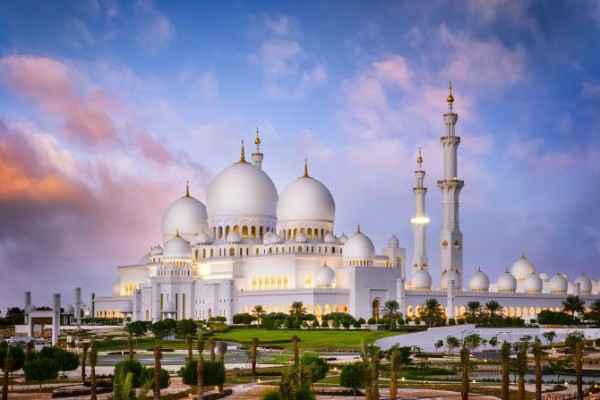
Visitors are welcome to observe, provided they follow a few simple guidelines:
- Dress modestly
- Remove shoes before entering prayer areas
- Speak quietly
- Keep photography discreet, if permitted
Inside, the environment is structured and calm, offering one of the clearest ways to understand how Ramadan traditions in UAE are practised.
Outside, daily routines adjust around prayer times, shop hours, and evening movement, making it easy to see how Ramadan in Ras Al Khaimah shapes ordinary life.
The Mountains During Ramadan
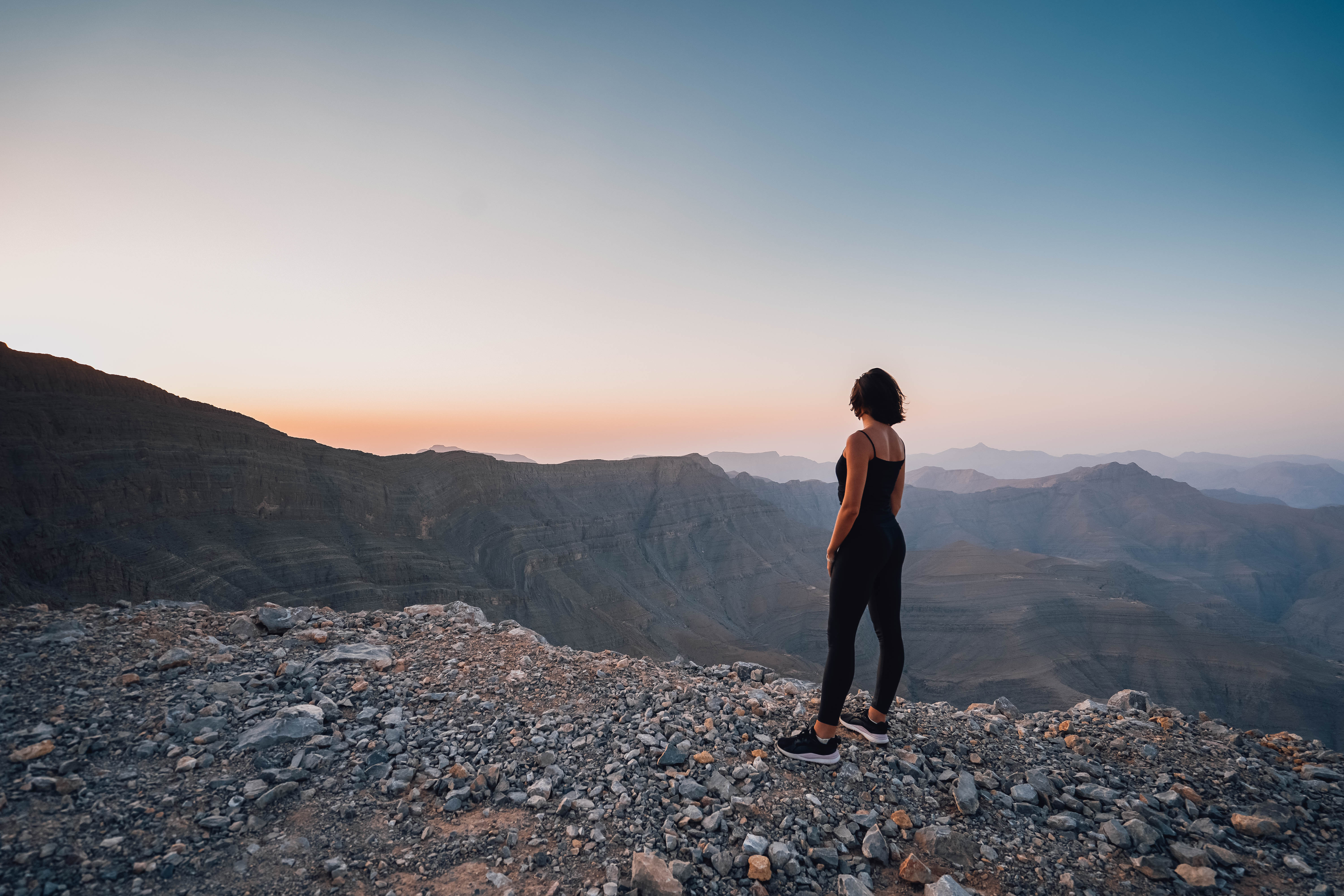
In the mountain regions of Ras Al Khaimah, Ramadan highlights what makes Jebel Jais special: a natural contrast to the pace and density of the coast.
Life here naturally follows the land. Sunset arrives earlier behind the peaks, evenings settle in quickly, and the environment encourages a slower, more intentional pace.
If staying in the mountains, you may find your days fall into a comfortable rhythm. Exploring in the morning, resting through the afternoon, and returning for iftar as the light fades across the ridgelines.
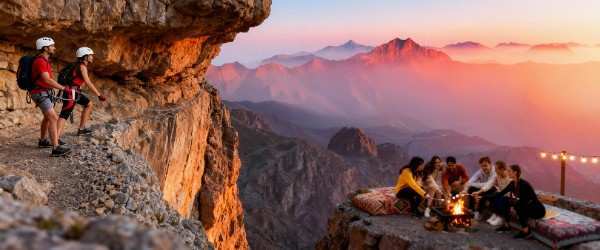
Without any noise or distractions, time feels easier to mranage, and the opportunity to really relax and unwind is presented.
For many, Ramadan in Ras Al Khaimah is particularly meaningful in the mountains.
Jebel Jais remains fully accessible, with its road, viewpoints, and attractions open. It suits those who want to combine adventure with space, reflection, and a stronger connection to nature.
Understanding Ramadan Traditions in the UAE
Ramadan is the holiest month in the Islamic calendar. It is observed through fasting from dawn to sunset, prayer, reflection, and acts of charity.
During daylight hours, eating and drinking in public is avoided out of respect. Working hours are reduced, mornings are calmer, and many cafés and restaurants operate discreetly or open later in the day.
After sunset, the pace changes. The call to prayer marks iftar, the breaking of the fast. Tables are set, families gather, and streets become active again.
In Ras Al Khaimah, these moments are community-focused. Dates and water are shared first, followed by traditional dishes such as harees, machboos, and lentil soup.
For visitors, these rituals are often accessible, as many hotels host iftar experiences that follow local customs, and mosques welcome respectful guests. The tone is inclusive and grounded, reflecting how Ramadan traditions in UAE are lived in everyday settings.
Experiencing Ras Al Khaimah During Ramadan
Ramadan in Ras Al Khaimah offers access to parts of the emirate that are often overlooked at other times of the year.
Neighbourhood life becomes visible, traditions appear in ordinary settings, and familiar places take on a different character as the holy month unfolds.

What stands out is the careful balance between sacred tradition and everyday life; the emirate remains open and welcoming while cultural practices continue naturally.
Rather than presenting Ramadan as an event, Ras Al Khaimah shows it as a way of living, giving visitors a clear view of how tradition and modern life coexist.
This Ramadan, let Ras Al Khaimah welcome you with its quiet coastlines and the heights of Jebel Jais; discover the emirate at its most authentic.



.jpg?width=352&name=National%20museum%20of%20ras%20al%20khaimah%20(2).jpg)